
Artistic form in the documentary frame: a gift or a curse. Interview for the documentary film magazine REALISTFILM.INFO
Artistic form does not contradict authenticity
If we talk about documentary from the point of view of art rather than everyday or informational tasks, art is always a statement, and a statement cannot exist without form. Form is the only, and therefore unavoidable, way to bring a statement to the viewer. Artistic form makes it possible to convey to the viewer not only thoughts but also feelings. That is its task – not to turn reality into fantasy.
There is no objectivity, there is choice
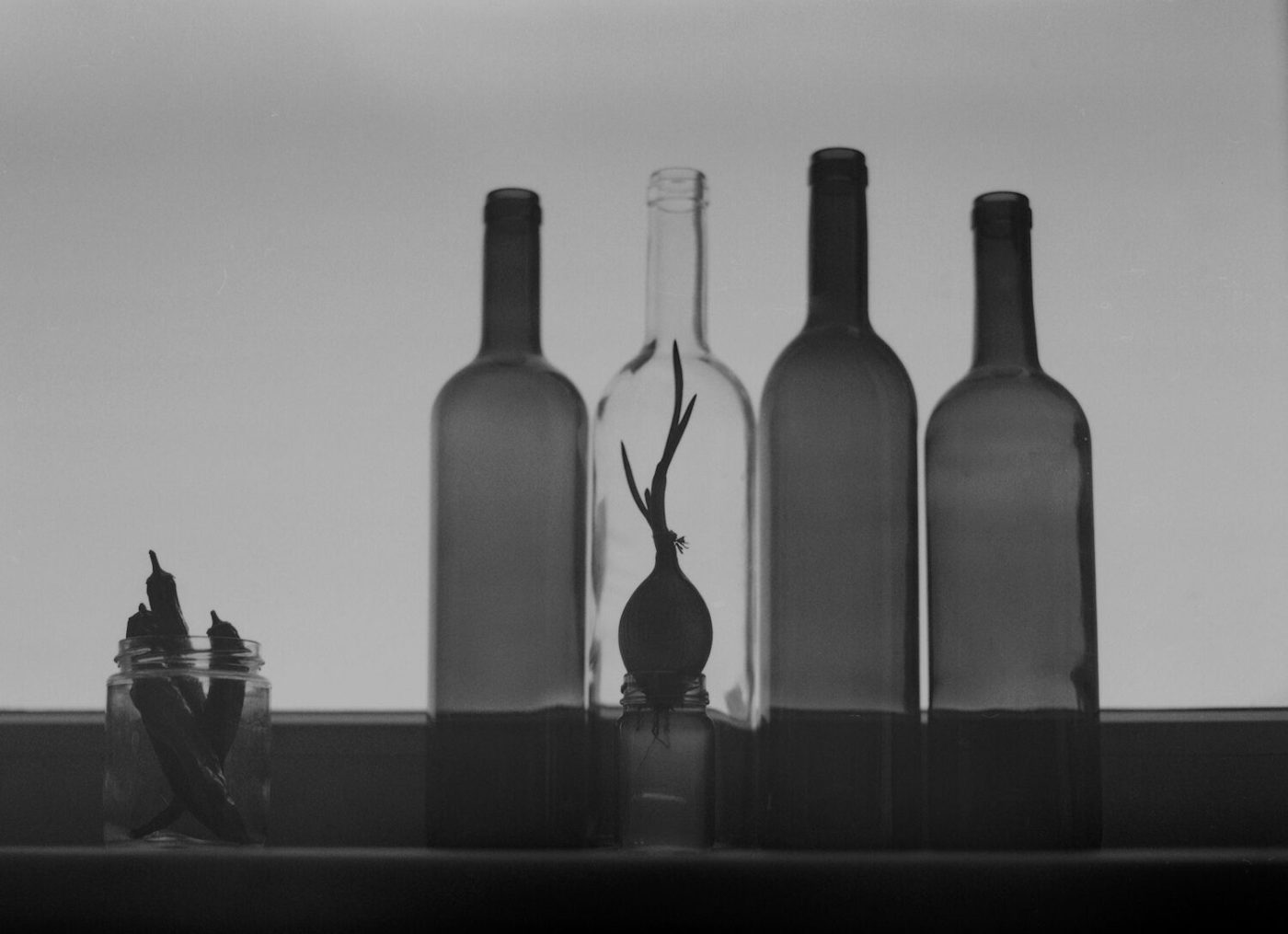
We have to admit that the photographer, the director and the cinematographer are all in a situation where they cannot avoid choosing, which means they cannot avoid influencing. A camera has no zero position in relation to objects, no “default” depth of field, no objectively correct capture of the visible field, and much more. All of this is the author’s unavoidable choice, their unavoidable subjective intervention, conscious or not, but it is always there. What time of day, in what weather and whom to film, and whom not to film – that is already subjectivity at work.

There is a popular position: I shoot the way I shoot, with whatever comes to hand; the less I think about equipment and where to put the camera, the more objective the shot will be. But it is important to understand that as soon as an author says “I will not think, so as not to influence the viewer”, the influence will come from the equipment manufacturer, the free space on the floor for the tripod, the weather, the light and so on.
Or a frequent question: do you use a photo editor? And when I say yes, I do, I hear in reply: “Ah, I see, then it is not real photography any more“. But you have to use an editor simply because it is impossible not to – the medium itself is built that way, the material is such that you cannot work with photography without intervening by additional means. All that remains is to choose: take them under your own control or give control to the camera manufacturer or to chance.
The medium itself is subjective
When we use film, the very choice of film is already a subjective influence on colour, because different films, even from the same manufacturer, render colour differently. Digital sensors from different manufacturers also interpret it differently. So you have to intervene in the subjectivity of the engineers who made the equipment with your own subjectivity, calling it objectivity, because the only way to survive here is to call your own choice “objectivity” and consider everything else subjective. If I do not intervene, there will still be subjectivity, only not mine but the camera manufacturer’s.
If you do not think about shot sizes, lighting, the people in the frame and communication with them, such an image will be hard to watch, to say the least – just like listening to incoherent speech without intonation. Not to mention reaching the viewer’s soul. To be understood, you have to think about language: formulate the thought, choose the words, intonations and order of the narrative – and that is already done subjectively.
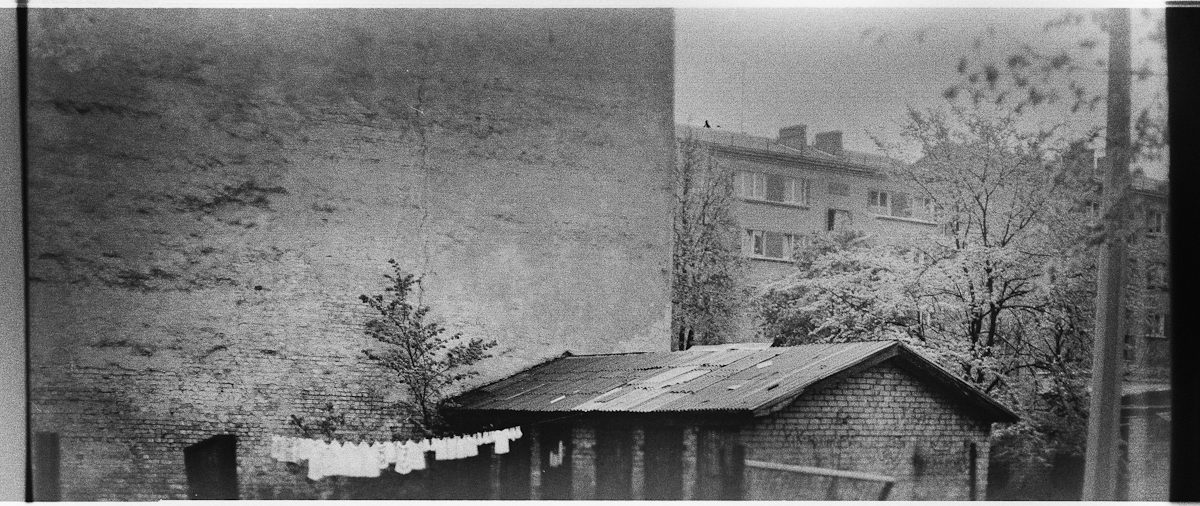
But the particular quality and difficulty of documentary is to develop a truly subtle ability to speak artistically, yet not ostentatiously or pretentiously, but as if well by chance, naturally and as a matter of course. So that the thought-out language not only does not get in the way of perceiving the content, but carries the content to the depths of the viewer’s soul.
The world around you is your conversation partner
Many people are in a hurry; they have no wish to look around at everything and search for something important in it. A creative person cannot live like that; they need to solve an additional task – to express themselves. They try to find in everything a way to share their inner content. And the world around them is a way of sharing. A writer is always on the lookout, and when they hear something special to them, they make a note of it. For a photographer, the world around is like words for a writer. I walk down the street as if through a library: I walk and look at what is here, what I can put into my piggy bank, and if something matches my thoughts and feelings at that moment, I can speak out right away.
Let us say I was thinking about childhood in the morning: what childhood is and what it is not. And here I am walking along the road – and I see a young shoot full of strength, or a child’s sandal carelessly lost. This is exactly what I was thinking about today, it is precisely about what I was carrying in my head! The world around you is your conversation partner. It reveals subjects in details and examples. I did not make it up, it really was like that. It is documentary.
How do you see content in the world around you?
You need to learn to separate clearly what is content and what is only form, a way of conveying content. If a person thinks that an object, say a rose, is the content, they will look only for a rose. But if they understand that the rose is just a form and the content is prickliness, ardour, firmness, they will see the same thing, for example, in a building or in a certain person. If I fixate on a particular object, I will walk past many wonderful alternatives. It is like synonyms.
Why does documentary need artistic form?
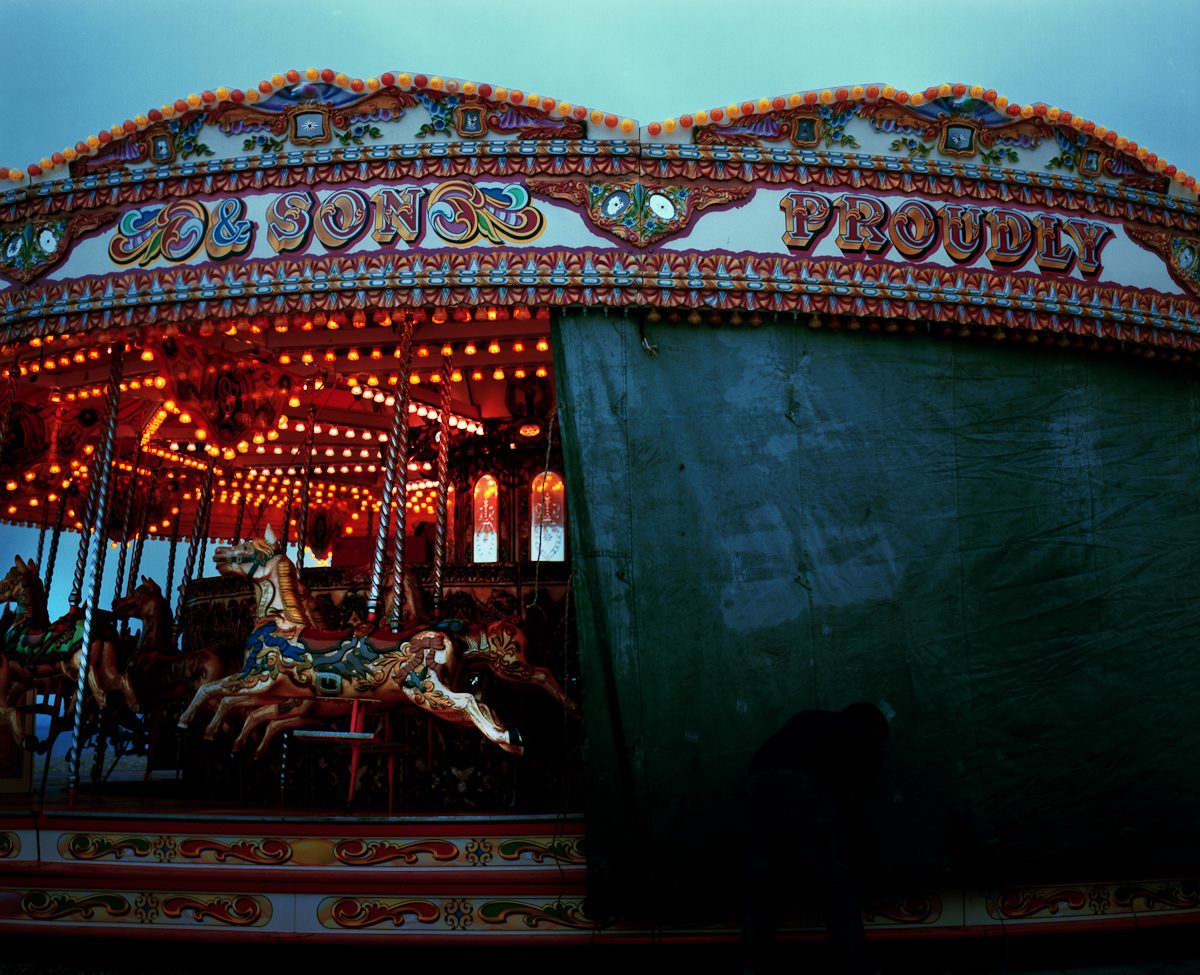
We all strive not so much to convey a thought to a person as to immerse them in experiencing that thought, that emotion. Symbols alone are not enough here: triggers of emotional arousal are used. A form that arouses emotions is what we call artistic. And in this sense form gives birth to content, and this emotional content is far more important than the symbolic one. Regardless of whether it is a feature film or a documentary.
Which elements of the frame evoke emotions?
There are few of these tools: essentially, only geometric form and colour. A flat image cannot use anything else. Working with colour can be divided into working with pigment (red, blue, etc.), with brightness (lighter, darker) and with saturation (vivid, black-and-white). Form consists of the geometry of objects and the geometry of the space between them, the size of objects and of the space between them, the position of objects, their size, sharpness and clarity. All this is summed up by the word “composition”. The set is small, but it is enough to express the boundless palette of human feelings. Even depth can be conveyed on a flat sheet, and texture, taste, sound or smell.
For many years now my students and I have been running experiments in class: we create shapes of different colours and sizes, arrange them in different ways and try to determine what feelings they evoke in us. Among the students are people of different nationalities and cultures, and yet we always find a lot in common in emotional perception: not at the level of cultural and social associations, but precisely at the level of emotions.
The tools of photography as emotional triggers
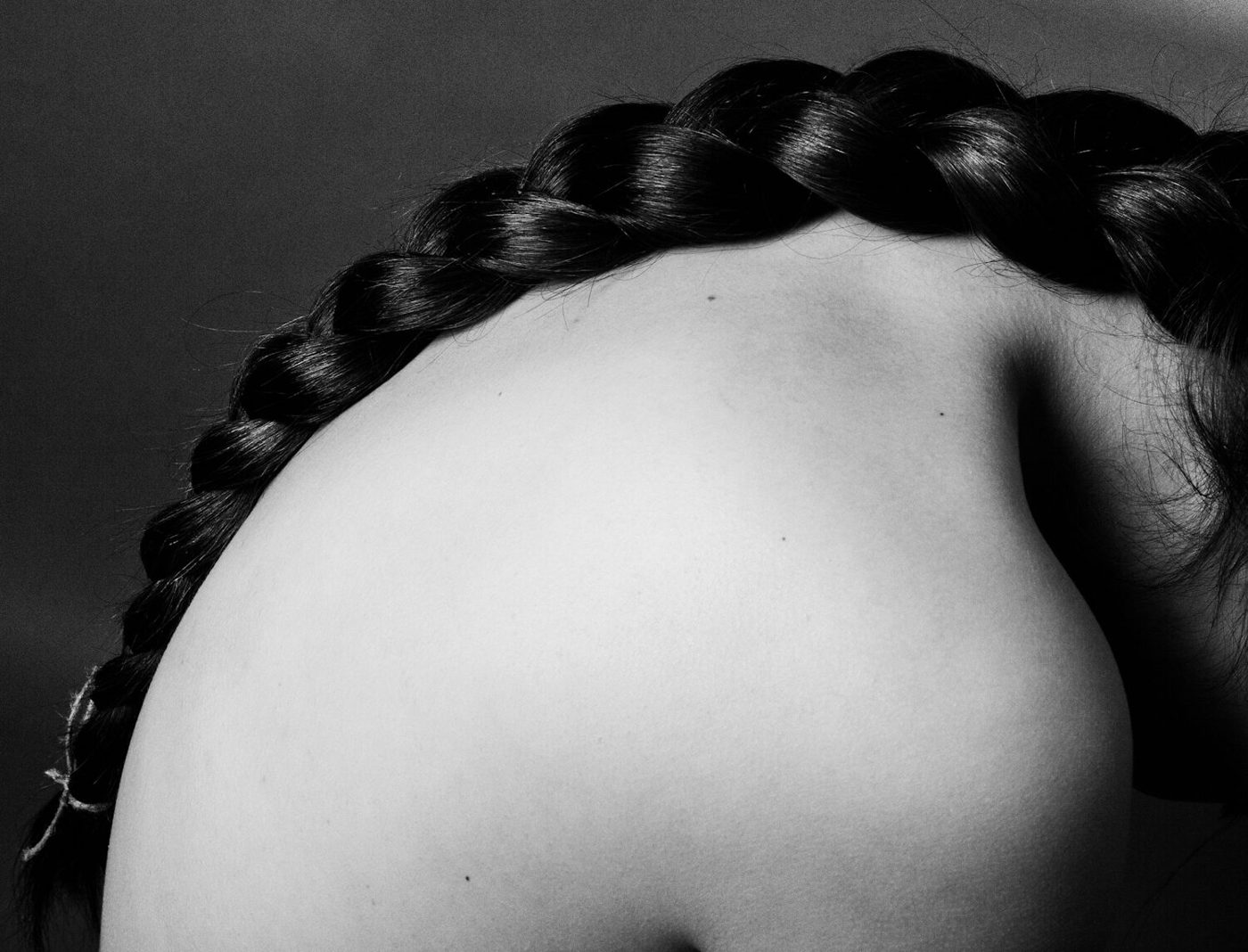
The geometry of an object and its size
Geometry is an unavoidable element of the language. All objects have it, and even the spaces between objects (counter-form). Colour can be avoided by choosing black-and-white, but you cannot escape geometry. Form works towards dynamics, stability, fragility, prickliness, smoothness, firmness, etc.
It also matters what shape the work itself (the photograph) has – rectangular, horizontal, vertical, square or elongated like modern cinema. All this has a huge emotional effect on the viewer.
Size
The size of objects relative to each other is the character of their relationship.
The size of the work itself. Imagine Aivazovsky’s “The Ninth Wave” at 10x15 – it would be a different feeling, if any at all. The original literally overwhelms you.
Sharpness
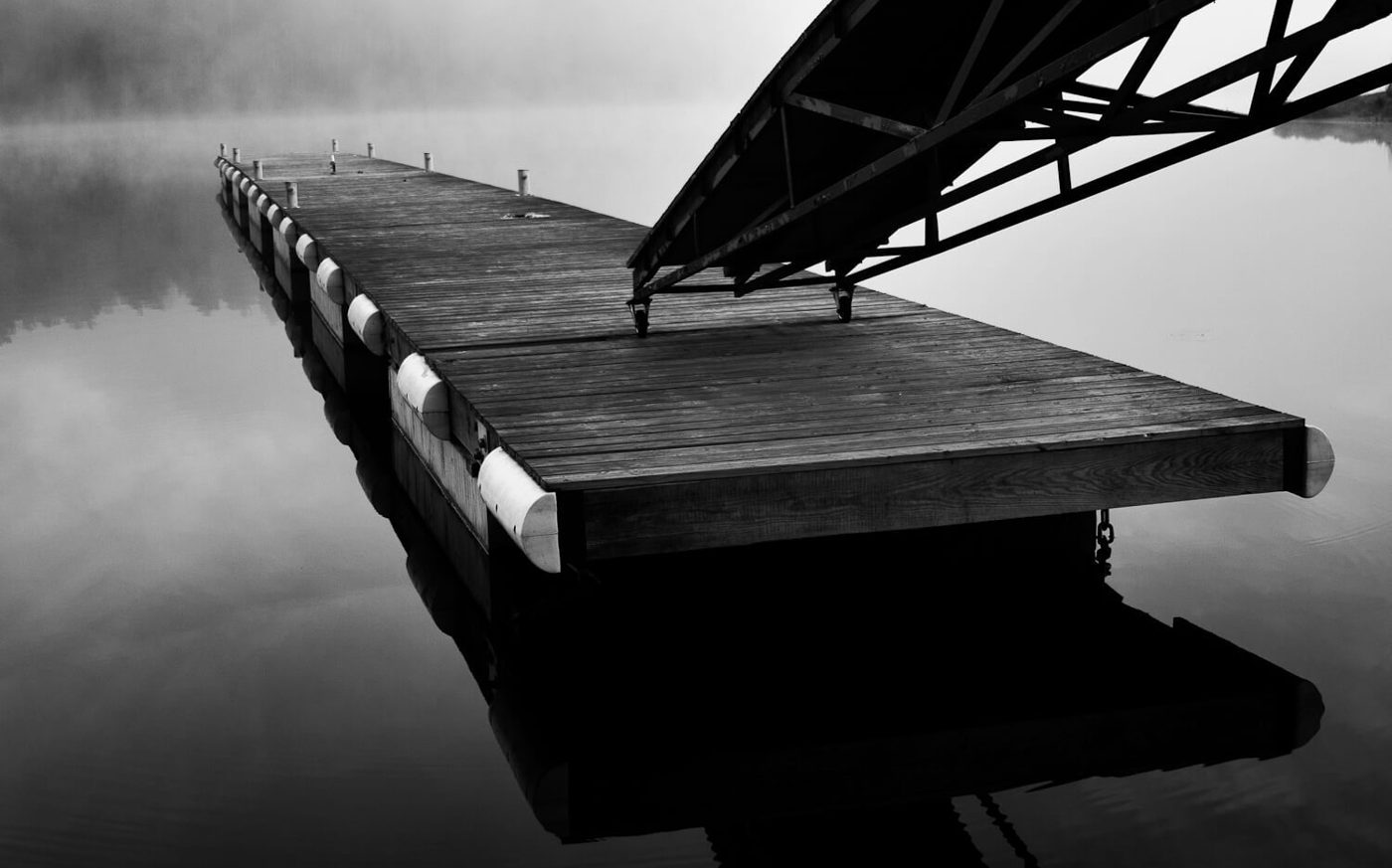
Sharpness is about firmness, clarity and definiteness of impression. Blur and smear, on the contrary, are about haziness, detachment, vagueness.
Camera position
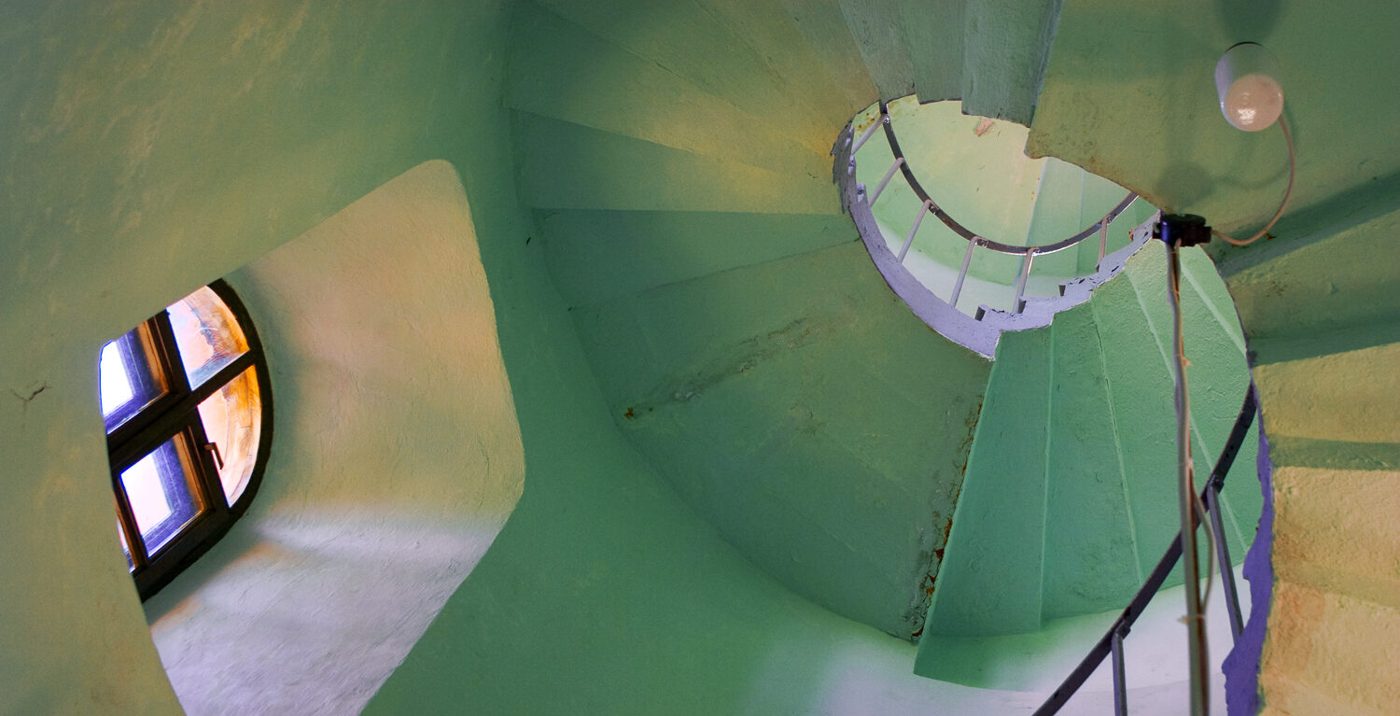
The angle is the choice of the shooting point, the point of view: where we put the camera already defines the composition. If we cannot move objects, we can move in relation to them. Where the camera looks from, the viewer will look from. With the camera position the author shows the viewer who they are in this story: a “divine” view from above, an “ant’s-eye” view from below, a straight “view between equals”, a “peeping” view from around the corner or with a hidden camera. No photographer, director or cinematographer can escape choosing the shooting point.
Besides, the angle of view changes form. A square turns into a trapezoid, a vertical into a diagonal. This changes the space and how it is perceived emotionally. Static can be made dynamic and dynamic static, the voluminous can be made flat, tightness can become spaciousness, and spaciousness – constriction. When facets or a tonal transition are shown, perspective, space and emotional freedom appear.
And you also have to choose a lens and its angle of view – that is also work with composition. A wide angle distorts – here you get diagonals, perspective, dynamics. Take a lens with a narrow angle and you get static. And if vertical, even more static.
Colour and brightness
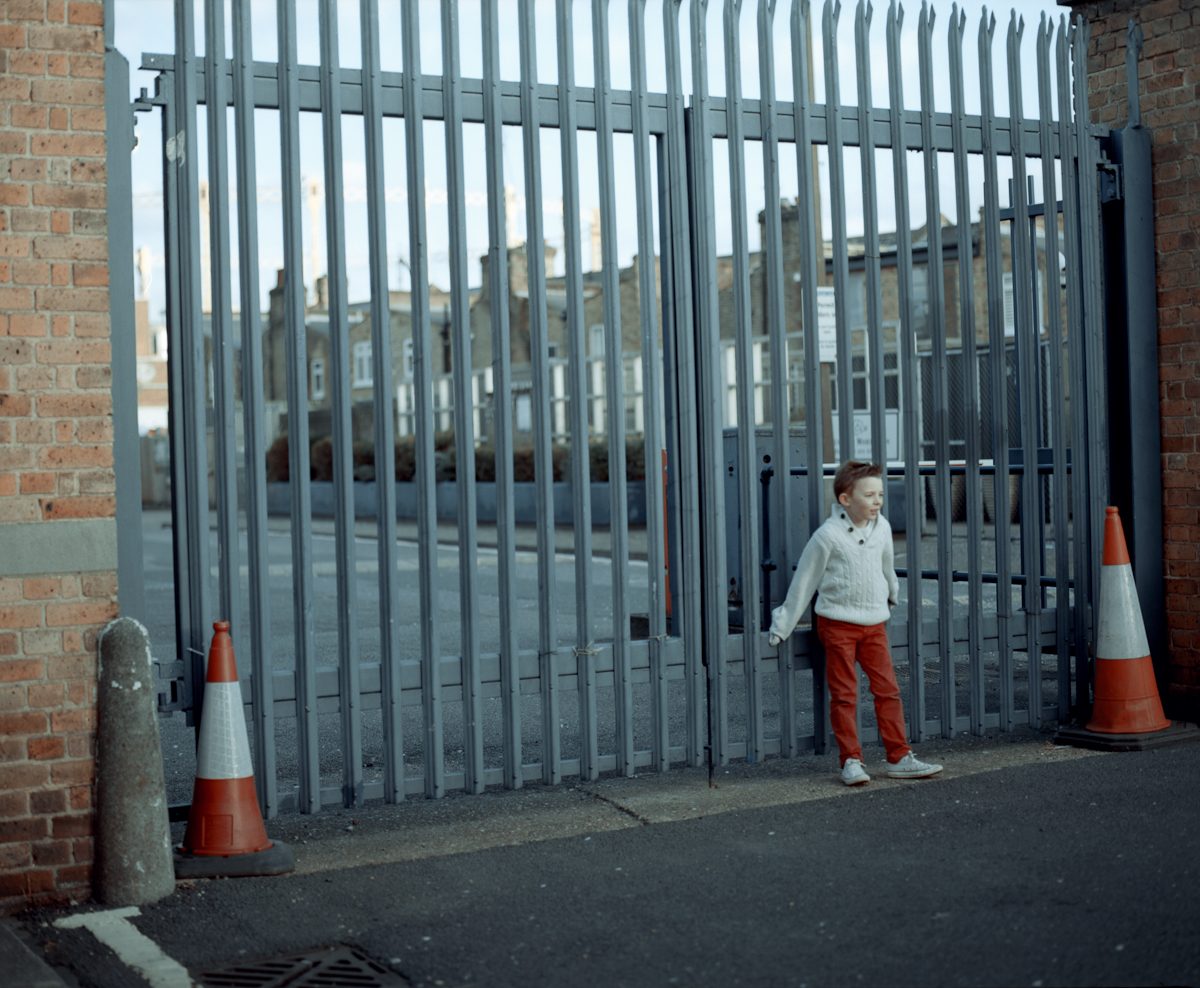
It is hard but extremely important to learn to perceive colour emotionally rather than through cultural codes and associations. Associations are a poor tool: they appeal to personal experience, which can differ greatly between viewers. But if you manage to move on to emotions, it turns out that different colours have different speeds and different emotional ages.
The heaviness or lightness of objects, and the perception of the work as a whole, depend on brightness. This tool is often underestimated, with all attention focused on colour itself, although for perception brightness and saturation come first, including whether a colour is matt or glossy. It is a very emotional tool.
***
The wonderful thing is that any object and any space between objects has all the tools at once. Objects are always in a state of some form, size, sharpness, brightness, colour and position relative to each other. This multiplication of emotional provocateurs in endless variations gives us an inexhaustible resource and the chance to express our feelings subtly and precisely. And all of this is unavoidable.
Artistic form is an unavoidable wealth if you master it. And an equally unavoidable curse if you cannot handle it. There is no middle ground.
REALISTFILM.INFO
Interview by Natalya Polytsya
Source – http://realistfilm.info/pryamaya-rech/hudozhestvennaja-forma-v-dokumentalnom-kadre-dar-ili-prokljatie.html?fbclid=IwAR2LV247XvqQRskFzWlvUZv9wbasnyvMRjEKiaAshA7g91IH_HivLUVIMio